Tucked away in the far west of Afghanistan lies Herat, a city steeped in poetry, art, and ancient splendor. Once a thriving stop along the Silk Road, Herat has long been a meeting point of cultures, a cradle of Persian influence, and a showcase of architectural brilliance. For the curious traveler seeking history, beauty, and authenticity off the beaten path, Herat is a hidden gem waiting to be explored.
A Glimpse into the Past
Herat’s roots stretch back more than 2,500 years. Known in antiquity as Aria, the city gained prominence under Alexander the Great and flourished during the Timurid dynasty in the 15th century. Under the rule of Shah Rukh and Queen Gawhar Shad, Herat became a center of Islamic art, literature, and learning—earning it comparisons to Florence during the Renaissance.
Walking through the city today is like stepping into a living museum. You’ll see traces of Persian, Central Asian, and Islamic architectural styles blending harmoniously in mosques, madrasas, and minarets.
Architectural Marvels
One of Herat’s most iconic landmarks is the Friday Mosque (Masjid Jami), a masterpiece of Islamic architecture that dates back to the 12th century. Its stunning blue-tiled minarets and intricate mosaics are among the finest in the Islamic world. Don’t miss the Herat Tile Workshop, located adjacent to the mosque, where artisans still practice traditional tile-making techniques.
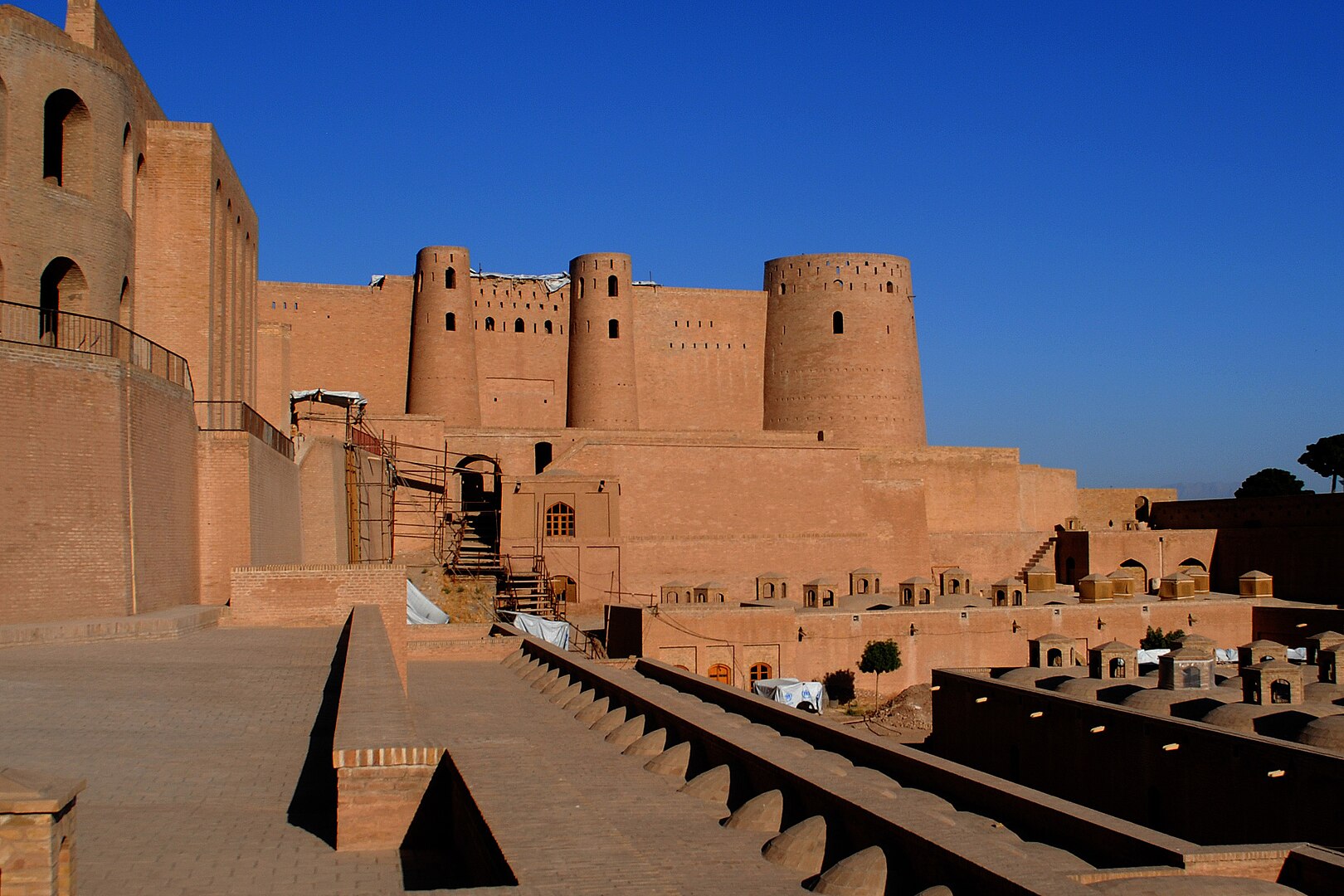
Another must-see is the Citadel of Herat, also known as Qala Ikhtiyaruddin. Originally built by Alexander the Great and later expanded by various rulers, the citadel offers sweeping views of the city and houses a museum showcasing Herat’s rich history.
Cultural Pulse
Herat’s culture is deeply rooted in Persian language and traditions. The city is home to poets, musicians, and calligraphers, and it has long been a center of education and enlightenment. Visitors can experience this cultural richness by exploring book markets, tea houses, and traditional bazaars where handcrafted carpets, jewelry, and textiles are sold.
Locals are known for their hospitality. A warm cup of chai sabz (green tea) and a plate of nosh-e khoshmaz (tasty local snacks) will often accompany a heartfelt conversation about history, literature, or family life.
Travel Practicalities
Due to the complex security situation in Afghanistan, travel to Herat—and Afghanistan in general—requires careful planning. As of now, independent travel is not recommended without proper coordination with local contacts and security professionals. Always check your government’s travel advisory and consider reaching out to NGOs or cultural institutions for guidance.
That said, Herat has historically been one of the safer cities in the country and has a strong cultural identity that has helped preserve its heritage through difficult times.
Why Visit Herat?
For the intrepid traveler, Herat offers something rare: the opportunity to witness the resilience of a culture that has endured centuries of change, yet remains profoundly rich and welcoming. It’s a place where history isn’t locked behind glass—it’s alive in the streets, the voices, and the enduring beauty of the city’s artistic soul.
Leave a Reply